

 By Brooke Griffin Farmer
I was washing dishes this morning when the memory hit me—soft and sudden, like the warmth of the water on my hands. I had just finished making breakfast for my family and was scrubbing out my cast iron skillet when I felt it… that familiar pull on my heart. I thought of her.
My sweet Granny Johnson.
She’s been gone a few years now, but somehow, she still feels near. Not in big, dramatic ways—but in these quiet, everyday moments. Like when I reach for that skillet—the one that used to be hers and now lives in my kitchen. Still in use. Still holding stories.
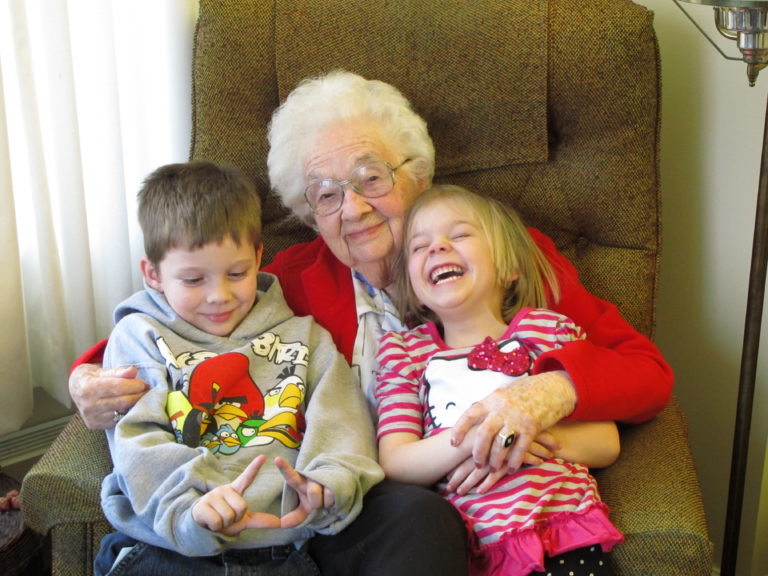
Granny lived right next door to us when I was growing up. She raised seven kids in a little house that always smelled like something warm was on the stove. And somehow, even with her hands full, she always had room for more. For grandkids. For great-grandkids. For neighbors. For anyone who showed up hungry—for food, or just for love.
She had a way of gathering people that wasn’t flashy or planned. It was simple and sacred. She didn’t need Pinterest boards or matching napkins. She had a skillet, a generous heart, and a kitchen that never turned anyone away.
She didn’t just feed us—she filled us. With laughter. With warmth. With presence. With love that lingered long after the meal was over.
And as I stood at my own sink this morning, thinking of her voice, her hands, and how she’d always ask, “Baby, are you hungry?” I realized something: she wasn’t just cooking. She was building something. She was sowing seeds into generations.
Granny’s kitchen wasn’t just a place of tradition. It was a place of transformation. She taught us, without ever having to say it out loud, that gathering a family isn’t about perfection—it’s about presence. It’s about making space for connection. About serving what you have with all the love you can give.
She passed her skillet down to me, but she also passed down her heart for home, her wisdom, and her quiet way of teaching faith through the way she lived.
She’s the one who taught me how to cook. And now it’s my joy to pass that same legacy down to my children—to show them a kitchen can be holy ground and a table can be where love is remembered, laughter is shared, and God’s goodness is felt in the ordinary.
The older I get, the more I understand how sacred those everyday moments really were. Granny didn’t need a platform. She didn’t chase recognition. She just kept showing up, loving well, and creating space for family to belong.
That’s the kind of woman I want to be.
Because Kingdom motherhood isn’t just about managing schedules or correcting behavior. It’s about shaping hearts through presence. It’s about worshiping through the way we love in the little things. It’s about teaching our families to come back to the table—again and again.
Before she passed, Granny had great-grandchildren and even a great-great-grandchild. She saw the fruit of the seeds she had planted, and I believe every biscuit, every prayer, every quiet act of love became part of the spiritual inheritance we’re still living in today.
“But from everlasting to everlasting the Lord’s love is with those who fear him, and his righteousness with their children’s children.” — Psalm 103:17
Granny didn’t leave behind a name the world would recognize.
She left behind something more sacred: a family who knew they were loved, and a legacy that keeps gathering around the table.
So today, as I hold her skillet in my hands, I ask God to help me carry on what she started. To be the kind of mother and woman who slows down, who welcomes in, who nourishes hearts as much as bellies.
May we all be women who build what truly lasts.
And may our tables keep telling the story—long after we’re gone.


 by Traci Rhoades

 by Deb Preston