


If you’re anything like me, you’re always trying to learn from your mistakes, which I suppose is a good thing. But obsessing over your failures can also be detrimental. For me, it gets so bad sometimes that I feel paralyzed by the guilt of my past mistakes—even small things like saying something unnecessary or awkward during a conversation. And even in situations when I did more right than wrong, I still tend to hyperfocus on the parts where I failed. I guess that’s just human nature.
But then there are times when I look back and think, “Yeah, I might’ve struggled, but others failed me, too.” Reading that, I seem like a total victim but hear me out.
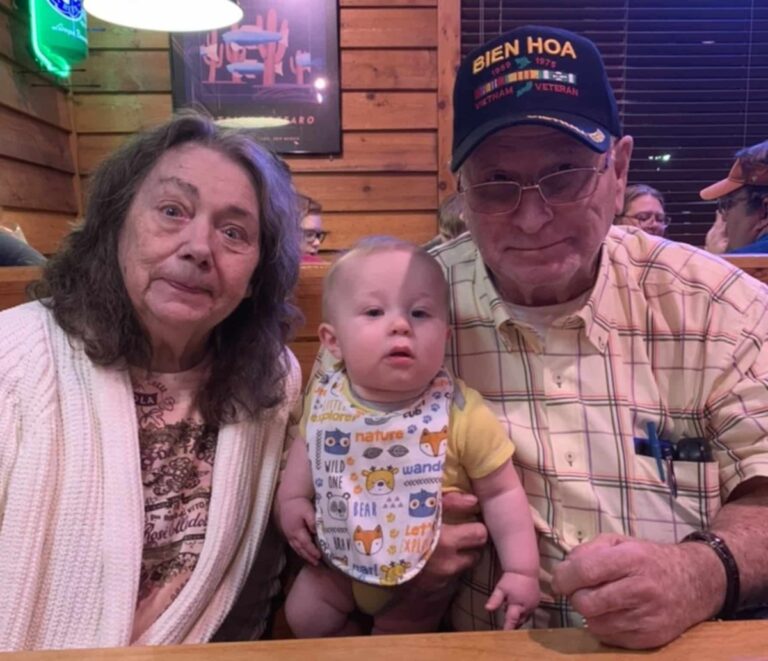
When you’re a full-time caregiver to someone you love, there are no days off. There’s no relief, no rest for your mind, and there certainly isn’t anyone coming to relieve you. I learned that the hard way.
If you’re thinking that maybe I’m bitter about how things went for us while I took care of my 94-year-old grandmother with dementia and also tried to manage a household with five kids, you’re not wrong. I was extremely bitter about how things played out. Angry, even. And those emotions led me down a dark path for a while. Somewhere I never saw myself going.
I can now say that God pulled me out, and I’m on the other side; however, I’m not immune to being pricked every now and then by the thorns of hurt that gripped me for so long.
So if you’re still reading this and haven’t written me off as a reprobate backslider due to my moaning and groaning, here are the hard things I learned as a full-time caregiver.
No one is emotionally or mentally capable of “doing it all” on their own. You might think you are. You may think you’ve got it all handled, it’s no biggie. But I assure you, you’re wrong. Because just when you think you’re managing things well, your person will need you in a way that depletes those emotional reserves, that pushes your mental limits.
Dementia especially is a horrible, debilitating disease that doesn’t just wear on the mind of the person suffering with it, but those around them. You never have enough time, energy, or resources to handle it all by yourself.
You have way fewer friends who will reach out a hand to you while you’re drowning than you think you do. Now before you think I’m throwing myself a pity party, let me explain. I thought I had a solid, core group of “real-life” friends. People who I was “doing life with.” (I say “real-life” because I have an amazing support group of writer friends online—you all know who you are.) Sure, some things happened in recent years to make me question some friendships but still, I can forgive and move on. After all, these people have known me and loved me for years, right?
Well, as a constant caregiver, you lose sight of yourself. And you absolutely lose sight of friendships. Coffee dates? What are those? When you’re always needed at home, it gets lonely. Depressing. Suffocating. But no one can care for your person like you. There’s no choice but to retreat to where you’re needed most.
And on the few times you actually do get to leave and meet up with those so-called friends, the minute you start talking about what you’re going through, they tune you out. They don’t want to hear you complain about your circumstances. After all, you “chose” this. No, they want the fun, lighthearted version of you back, the one who told the jokes and made them laugh.
Now, you’re boring and overworked, and no one wants to hear about how you had to stay up all night again or how you fought with your co-caregiver because they weren’t doing enough to help you.
In my case, I sat through multiple occasions where I was asked how I was doing, began to tell that person exactly how I was, thinking they cared, only to be cut off mid-sentence and ignored. I left those conversations feeling horrible about myself. Why did I even open my mouth? They didn’t need me vomiting my problems all over them.
No, they didn’t. But you know what? I needed a friend. Someone to listen. Someone to just . . . I don’t know . . . care long enough to listen to me talk for 10 minutes. I’m not going to lie, those interactions hurt. It showed how little they really wanted to know how I was. I learned quickly that people only asked to be polite, not to really listen.
I mean, I should’ve known by the way I never got any texts asking if I was okay. Never once did any of them ask if I needed anything or even if my grandma did. No. The only people who cared were hundreds of miles away and unable to lend the help they wished they could.
And look, I get it. Everyone is busy with their own lives, their own hardships. I. Am. Too. But if anything, this experience taught me to do better, which leads me to the next point.
I should be a better friend to those I genuinely care for. I realized early on that very few friends saw my plight—really, only two (more on them later). No one understood what it took to be a caregiver. And to be fair, no one really could unless they’d been in a caregiver role themselves. When you’re a caregiver, your mind is constantly consumed with doing the next thing on your to-do list. It’s easy to forget about parties and play dates and anything that doesn’t relate specifically to your person or the four walls around you. It’s very much like having to care for a newborn baby. All-consuming. Daunting. Some days it’s hard to even get out of bed.
I no doubt was a horrible friend during this time. But let’s not forget, I felt like I was drowning. And no one threw me a lifeline. It was more like they called to me, “Hey, you okay over there?” And as I sputtered and gurgled under the crashing waves, just trying to catch my breath, they responded, “All right, then. See you next Sunday!”
And now I know that I never want to be that friend. To those two people who consistently reached out to me, who cared enough to call and ask why I’d pulled back from things instead of speculating and talking about me behind my back, I want to show them I care.
Friendship takes genuine effort and work. Now I realize that. I don’t think I did before. And I’m closer to those two people now more than ever. Because I’m past the hard stuff—slowly, slowly making my way back to my fun self, and they get to enjoy it. And I get to enjoy them (I always did). But now I see them in a different light. Like angels in my life during a very dark time, their halos never dimmed. And I love them more deeply than I could’ve thought possible.
You cannot give good care to someone else unless you have some form of support. Thankfully, I have my amazing husband. He’s been my shoulder to cry on, my ear to listen, my lover, my friend, my punching bag, my sounding board, even my pastor at times. Just writing this one makes me cry because he’s endured more in the past few years than most while trying to help alongside me.
He’s not perfect, no one is. I’m certainly not. But his loyalty is unwavering. His love is unconditional. And each and every time I thought I’d fall apart from the pain, sadness, and stress of it all, he held me together.
If you’re in a caregiver role, please know you cannot do this alone. You need someone to be there with you through it all, especially when those friends of yours disappear into their own lives.
Being the caregiver will strain familial relationships. I’m not talking about the relationships between your spouse and kids, though those may be strained too. I know my kids held some resentment toward me because we couldn’t do all the things they wanted to while my grandma lived with us.
But I’m speaking of those relationships with the other people closest to your person. The ones who love that person too. Inevitably, they’ll think you’re not doing enough. Or maybe they think you’re doing too much, and you should ask them for help more. But you know it’s just easier for you to do it all. It’s not that you don’t want them to help, it’s just . . . easier this way.
In my case, I felt abandoned by my co-caregiver at times. I frequently felt like he could’ve, should’ve done more. He got to take vacations while me and my family had to stay home. He would complain about the times he had to come and care give when I needed a break or went to church. It was frustrating, to say the least.
As things do, it all came to a head at the end. I said hurtful things, he said hurtful things, and I don’t believe our relationship will ever be what it once was. I mean, I’m not even the same person I was before, so how can it? Being a caregiver changed me indefinitely. Know going in that those relationships will take a toll because, as I said previously, no one is perfect. We’re all fallible humans just trying to do our best.
So, I guess that’s it for this list. I know it was depressing, but honestly, it wasn’t a pretty time in my life. I wouldn’t trade the time I got to spend with my grandma for anything, but I would’ve gone into caregiving with clear-cut, set boundaries to start. For myself, for my family, even for those in charge of her medical care.
I’ll never know why God chose me to be the one to take care of her in her last years of life, but I can be grateful that I had the opportunity. It will take time to heal from the layers of disappointment and disenchantment that accrued during that time, no doubt. But I’m mending. Slowly. And maybe someday I’ll be able to look back with a smile instead of the sting of pain.

 by Lisa Ingrassia
 by Jessica Swanda