

 By Larissa Darter
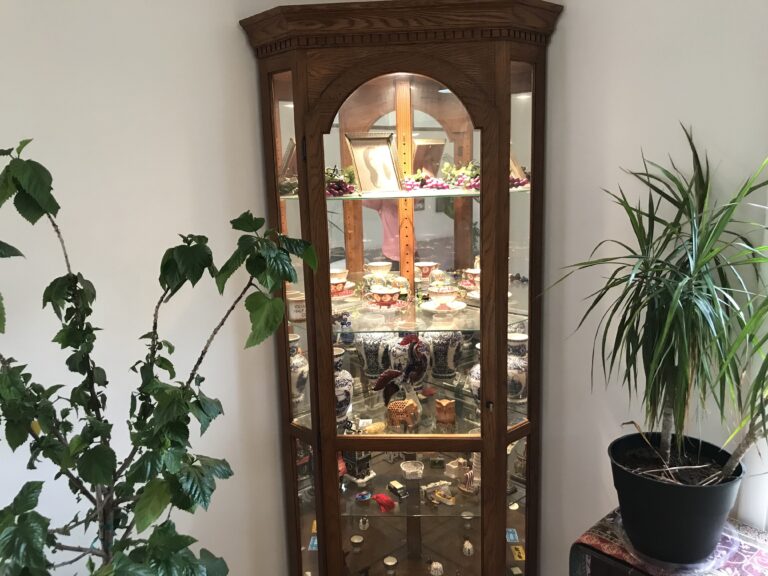
When I was getting married, my grandmother gifted me a tea set she had found at a flea market. It was a stunning collection, with a teapot, cream and sugar jars, and four cups and saucers—all crafted from fine white china. The gold-painted trim and delicate pink roses adorned each piece, making the set look like it belonged in a fairytale. To me, it represented the promise of our future—a family that would age gracefully together, just like this beautiful china. I proudly displayed it in my cabinet, envisioning the moments it would witness as our lives unfolded.
Over the years, that tea set became more than a display piece. It wove itself into the rhythm of our home. We pulled it out on holidays, birthdays, and quiet mornings. It became part of our family’s story. My youngest daughter, a wide-eyed five-year-old with an eye for beauty and a heart full of whimsy, insisted her morning milk be served in one of those delicate cups. What began as a small request turned into a beloved tradition. Our read-aloud times—filled with the voices of Pooh Bear, Laura Ingalls, and Anne Shirley—were always accompanied by the gentle clinking of china and the turning of well-loved pages.
Then one morning, after finishing our story and washing up the dishes, a cup slipped from my hands.
I watched it fall in slow motion, shattering the rim and breaking off three small pieces.
I stood still, heart sinking.
This cup had survived so much—four homes, multiple moves, careful wrapping in bubble tape and newspaper. It had outlasted toddlers, dinner guests, and countless cautious washings. And now, I was the one who had let it slip.
I was upset—frustrated that I hadn’t been more careful, ashamed of the irony. I had been the one always cautioning the kids to handle the tea set gently, always hovering nearby when they poured the milk or turned the pages. I thought I had protected it well.
But as I stood over the broken pieces, I began to reflect.
That teacup, like so many things in motherhood, had been treasured, cared for, and yes—used. And maybe that was the point. It wasn’t broken because it was neglected. It broke because it had been loved—woven into real life, into sticky fingers and morning stories, into sacred routines that matter far more than perfection.
And that’s when it hit me: I do this with my children too.
As mothers, we often hold so tightly to what we love. We want to preserve, protect, perfect. We wrap our children in careful routines and try to keep them from hurt, mistake, mess. We want to keep their lives—and our roles in them—unscathed.
But children, like china, aren’t meant to sit behind glass.
Teacups are meant to be used, lived in, carried through joy and mess alike. Children are meant to try, to fall, to grow, to be loved, not because they’re flawless, but because they are ours.
That broken teacup taught me beauty isn’t found in the absence of flaws—but in the presence of memories. In the resilience of the pieces. In the way things—and people—can be put back together and still hold just as much meaning, maybe even more.
Later that evening, I found the broken shards, sat down at the table, and carefully glued the pieces back in place. The cup was whole again—but different. Cracks remained, tiny gaps that caught the light and reminded me of what had happened. And yet, it was still lovely. Still usable. Still part of the set.
Our children will carry cracks too.
They’ll have moments of failure. They’ll hurt others and be hurt. They’ll face disappointments and losses we wish we could spare them from. But that doesn’t mean we’ve failed them. It means they’re becoming.
Our role isn’t to ensure they remain untouched, but to be the steady hands that help gather the pieces when things fall apart. To help them see that even in brokenness, there is still belonging. Still purpose. Still beauty.
That chipped teacup now sits front and center in my cabinet, with regular use—not because it’s perfect, but because it tells the truth.
Motherhood is full of these moments—the breaking, the mending, the letting go of the version we imagined and embracing the story we’re actually living. A story with spilled milk, quiet forgiveness, and lessons learned through tears and glue and grace.
I’m learning to hold my children loosely enough that they can grow and stumble, but closely enough that they always know they are loved—deeply, unconditionally, and intentionally. Not because they get everything right, but because they are mine. Because they are known by us and by a God who designed them with purpose.
Our goal isn’t to raise flawless children. It’s to raise whole ones—resilient, kind, self-aware, and deeply loved.
So use the china.
Let the teacups clink.
Let the stories unfold with laughter and chaos and the occasional heartbreak.
And when something breaks, don’t throw it out. Pick up the pieces. Sit with them. Learn from them.
Because in the end, motherhood is not about preserving perfection—it’s about embracing the beauty that emerges from the broken. It’s about finding grace in the cracks and strength in the mending. It’s about pouring out love, again and again, knowing every drop counts.
Even chipped teacups will still hold memories as well as tea.


 by Jacqueline Miller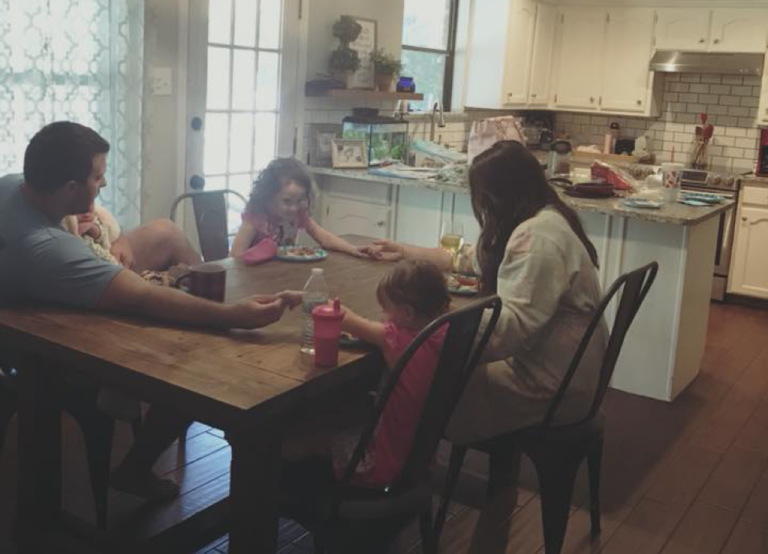
 by Arianna Freelen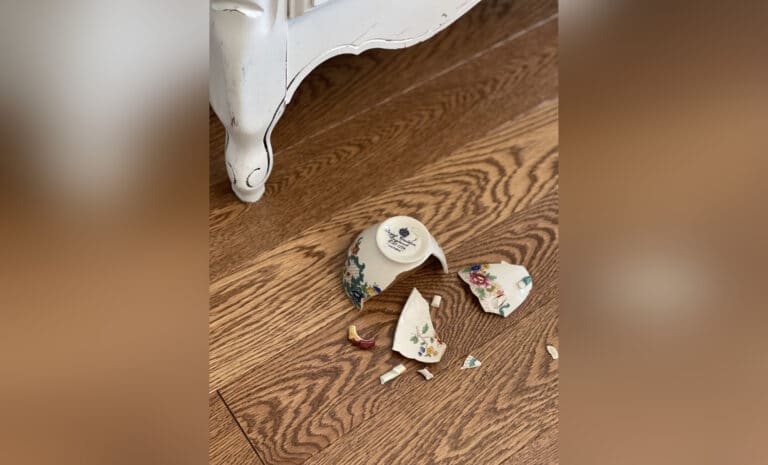
 by Tiffany Frederick