


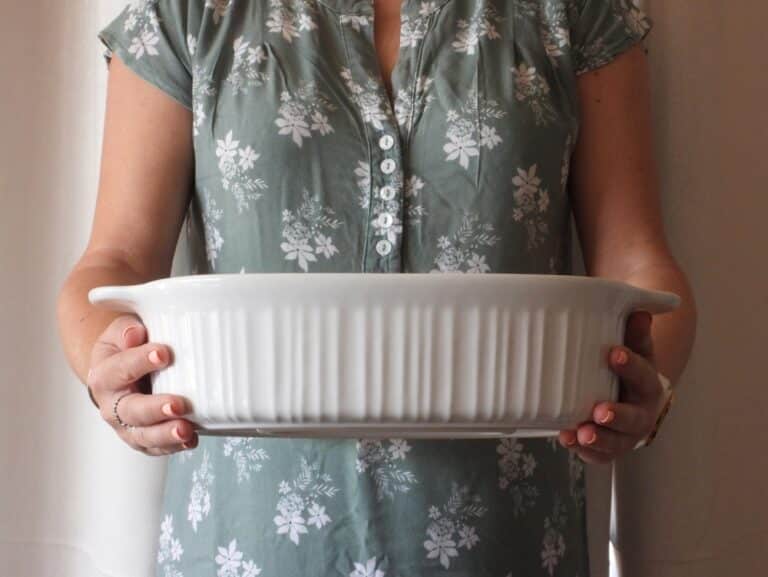
It all started with tomatoes.
After we moved, a neighbor invited us to pick from the abundance in her and her husband’s gardens. In return for a pile of tomatoes gathered from their raised beds, I left a plastic bag of homegrown pumpkins on their porch. Later that summer, our neighbor stopped by with a recycled container full of still more fruits. By the fall, we were sharing chili and cookies over dinner at our place.
Threads of indebtedness were weaving us together.
For most of my life, the idea of indebtedness has tasted rather repulsive on my tongue. The “debt” at the word’s center conjures images of late-night fights over maxed-out credit cards, harassing debt collectors, and strangling student loans. Our individualistic culture revolts against any kind of imprisoning indebtedness—not only to banks, but to ourselves. I am the kind of woman who will play email tennis all day, then make dinner, then put our son to bed (despite my kind husband’s gentle offerings to help) because I hate owing anyone anything. So when I read an article by a French mentor encouraging readers to pursue redevabilité, or indebtedness, I was curious.
What would it be like to cultivate a posture of dependence on others?
My best teachers in this skill have been Ethiopians. My mother-in-law makes a practice of offering her table laden with spiced doro wat, buttery minced beef, soft cheeses, and succulent greens to family and friends, who in turn open their own tables. Ethiopians give lavish gifts of presence, money, and space. The result of these threads, infinitely looping together with each shared gift, is a stunning, deeply-woven tapestry of trust, belonging, and interdependence: a beautiful community.
Like many in this lonely age, I long for such a thicket of relationships. But am I willing to embrace the posture of indebtedness that would lead me there?
Over Christmas, my 3-year-old son and I handed small poinsettias in flashy foil to some of our neighbors. Many of them had taken the first step in offering the gift of their names, of welcome. One neighbor with a real-life Santa beard climbed into the back of a truck to help us unload a bed frame. Another had given my son a storybook set in Ethiopia. In their giving of time and energy and expense, we’d become indebted. The poinsettia was a way of paying back the debt.
And the threads between us became a little stronger.
After we gave the poinsettias, one neighbor arrived with a giant faux-velvet bag of popcorn and five tins of flavored hot chocolates. Another alighted on our doorstep with a paper sack of the best chocolate chip cookies I’ve ever tasted. And one elderly couple invited us in: a step of vulnerability and trust. Not only did they send us home with two Ziplocs of homemade chocolate chip and peanut butter cookies (her mother’s recipe), but they also offered us some playthings their growing granddaughter no longer needed. When my son and I came back in the spring to take a sackful of new toys and an easel, I realized our family was becoming indebted to theirs again.
And this is a good thing. Rather than constrain, indebtedness to others (in the form of communal reciprocity) leads to freedom. Knowing others are there for you frees you to be generous in return and gives you confidence that in hard times you will not be alone. Being known and loved in community brings a liberating sense of security that ivory-towered independence can never match. Like anything, indebtedness can be poisoned and warped, but its holy expression revealed in communal flourishing is something to seek after.
Ultimately, we are all indebted to Christ, who gives us His body to eat and His blood to drink, who—in submitting to death—empowers all life. Every moment we breathe, it is Jesus filling our lungs. Every moment we move, it is Jesus animating our muscles. Every blooming flower, every illumining sunrise, every glittering star exists in the gracious upholding of Jesus (Colossians 1:16-17).
In embracing our indebtedness to Jesus (“Without Me you can do nothing,” John 15:5, ESV), we are given the gift of his ceaseless life. In both giving and receiving that divine life through acts of love, our lifeblood is revived. It’s as if the threads of indebtedness transfigure from staid threads into supple veins tying us together in an intimate sharing of oxygen and nutrients: one living body. At such a proximity, it’s difficult to discern the difference between giving and taking, the two so tightly twixt, it’s as if they were one and the same (1 Corinthians 12:12-27).



 by Kate Guerrero
 by Kris Ann Valdez