


If you happen to be a fan of disaster movies, you have inevitably seen fictitious parents make life-and-death choices in split seconds, mostly with the best interest of their kids at heart. In the volcano thriller Dante’s Peak (1997) the lead male character, Dr. Harry Dalton played by Pierce Brosnan, finds himself in dire circumstances as he tries to save the group which includes two young children when a river becomes acidic enough to melt their rowboat and human skin. As fear mounts and the children begin to freak out, Harry starts singing “Row, Row, Row Your Boat” to keep the kids calm.
The scene is as fictitious as one can imagine when considering how to parent through a life-and-death situation. Realistically, few people ever find themselves needing to consider it, much less live through it. As an LGBTQA+ couple, my wife and I certainly never considered how we would parent if we were ever faced with a catastrophe.
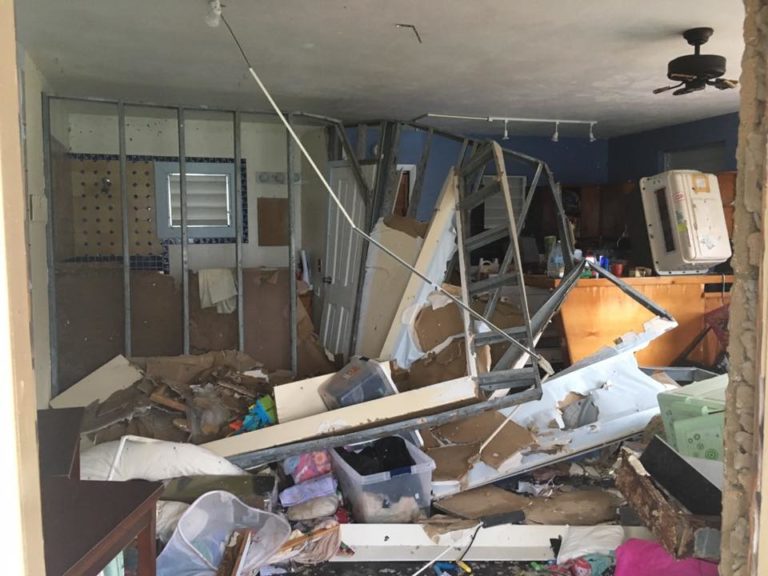
Our catastrophe turned out to be Hurricane Dorian. In 2019, my family and I were faced with death as a monster category 5 hurricane with maximum sustained winds of 185 mph hit our island home. We planned and prepared for the storm, but we never expected the 30 feet of storm surge that filled our home with ocean water, trapping us inside.
For over 36 hours, we were faced with death as we initially struggled to stay afloat. Then, after seeking refuge in our attic, we waited, fearing the roof would be ripped off at any moment. Following a daring boat rescue, we endured another 36 hours of grief, loss, homelessness, and eventually evacuation. Our daughter was six years old at the time.
My wife and I never discussed what we should and shouldn’t say to our daughter as our worst nightmare unfolded before us. We rapidly found ourselves in survival mode and there was no way to shield her from the real possibility of our deaths. Yet somehow, we managed to parent through the worst time of our lives. It turns out that many of the parenting philosophies ring true regardless of just how close you are to death when deciding how to handle your child’s fears, anxieties, and reactions.
Communication. During the initial onslaught of the rising ocean inside our house, there were times when my wife and I were forced to leave our daughter perched on our kitchen countertop to remain dry. As we sloshed around the house gathering supplies and securing valuables, we were in almost constant chatter with our daughter.
“I’m getting some food from the pantry to put in our emergency kit for later in case we need it.”
“I’m going to the bedroom to get the jewelry boxes. I will be able to hear you. I’m coming right back.”
With fear clouding her already overstimulated brain, her ability to process the things she was seeing lessened. By using vocal communication, we managed to keep her calm while also keeping our frantic actions in check. We conveyed a sense of control to induce confidence even though neither of us had any control or confidence whatsoever.
Expectations. Kids question authority and consistently believe they are right. However, the middle of a natural disaster is not the time to have a child push back. As the water level inside our home reached near countertop height, the sun was just making its first appearance of the day. It was breakfast time. When our daughter spoke up with a plea of “I’m hungry,” we couldn’t sit at the dining room table for eggs and bacon. The best we could offer was a plastic-wrapped honey bun or a dry piece of bread. We expected the refusal before it came from our terrified child and were prepared with clear and calm explanations on why this was the only option for food.
When we were trapped in our attic for 24 hours waiting to drown or be sucked away by a tornado, we knew to expect moans of discomfort. There were no beds or blankets. It was dark and loud and scary for us as adults. We could empathize with just how terrifying it was for our young daughter. We comforted, speaking gently, to overcome the terror and tears, knowing that raised voices or impatience would worsen the situation. It was by no means easy to do in our state of terror. Kids take their cues from the adults in their lives. If we remained outwardly calm and expected to hear our daughter express her displeasure, we would be better able to temper our response.
Promises. During our shuffle around our flooded home, our daughter lost her brand-new eyeglasses. She was devastated and her cries for glasses became more about the trauma we were enduring than the tortoiseshell frames. To comfort her, we promised her a new pair just as soon as we could. We didn’t know if we were going to make it out alive, but we made the promise anyway. Promises are solemn vows to 6-year-olds, and that lifeline to a reality outside the one we were living in was so powerful for her ability to carry on.
After our rescue, as we laid our heads down that night in the knowledge that we had survived, our daughter asked, “What about tomorrow?” She couldn’t imagine what our next dawn would look like and, quite frankly, neither could we. We had lost our home and everything in it, but many people on the island had lost their lives. However, in that quiet moment when our young daughter asked what to expect, the only answer we could offer was love. We held her in a tight hug and promised that no matter what happened the next day or in the next weeks, all that mattered was that we were together. We promised that no matter what, we would have each other.
Parenting is hard work, even when we do it well and without catastrophic events like natural disasters and near-death experiences. Most of us are muddling along one day at a time, just doing our best. I learned how to parent through a real-life experience that seems like it was straight out of the movie script, and this is what I learned.
Promises must be taken seriously and can give the right message at the right time. We need to remember to expect child-like responses and react patiently to overcome obstacles. Our best hope of helping our children through life is to communicate clearly with them to instill confidence.
In the film Greenland (2020), Gerard Butler as the dad in the film, holds his son’s face in his hands during a momentary lull in the chaos of a mass extinction-level event on Earth and says, “We’re always going to be together.” Parenting, whether through a hurricane, volcano, or a rough day at the playground, is all about keeping our kids close and remembering to communicate, expect, and always keep our promises.

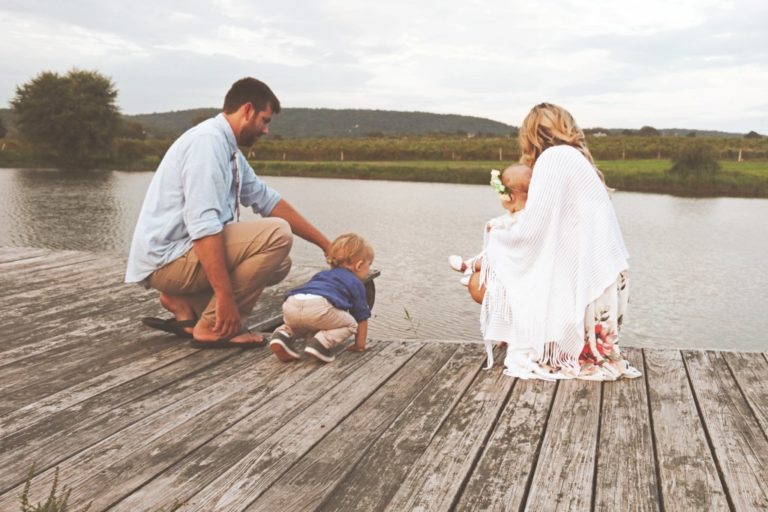
 by Malerie Holcomb-Botts

 by Ashley Kleisinger