
 By Kathy Wetsell
Earlier this year, my brother and I were tasked with cleaning out our parents’ home after moving them into a retirement community. While preparing for an estate sale, we came across multiple dusty boxes filled with printed photographs of our family. Those boxes represented over 60 years of marriage and all of the family events encompassed by that span of time. It was overwhelming to think about sorting through them in that moment, so we decided to wait.
After a few months, my brother delivered the boxes to me. I find myself nostalgic for the past, and I have had some time to devote to the task of sorting and scanning some of the photos to share digitally. When I first began sorting, I intended to locate the “best” photos, but my definition of “best” is changing. In our digital age, we have become accustomed to perfectly staged photography. Everything is planned, posed, and culled if it doesn’t meet our standards for social media posting. But as I look at those old photos, the ones I like best would likely be considered the worst by today’s standards.
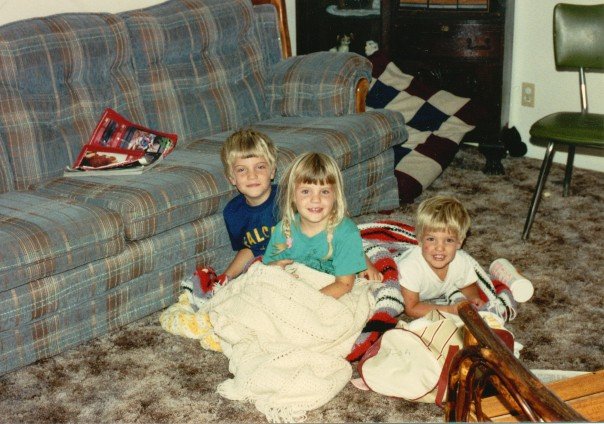
Memories spilled out of the boxes in glossy finish prints, still in their paper envelopes with the negatives. No captions, no likes, no filters. Just life—raw, messy, honest—and somehow beautiful in the messiest of ways.
As I sifted through them, it struck me how different these images were from the ones I scroll past every day on my phone. No curated lighting. No poses perfected through 10 retakes. No aesthetic backdrops. These photos were full of squinting eyes, red cheeks, cluttered tables, modest and dated decor, bad haircuts, and real smiles.
Nothing about them was polished, but everything about them was real.
We weren’t concerned with looking perfect; we didn’t even know what that meant back then. We were too busy living. Our clothes clashed. Our hair was often wild. Our living rooms were chaotic with kids, pets, and the clutter of daily life. But the joy? It was unfiltered, unmistakable, and everywhere.
These photos reminded me that life used to be documented as it was, not how we wished it looked. They weren’t taken to show the world how put-together we were. They were taken to remember a moment, a feeling, a connection. And because of that, they hold more truth than a hundred filtered selfies ever could.
Somewhere along the way, we traded spontaneity for presentation. We started pausing real life to pose for the camera instead of letting the camera capture real life. We began editing out the clutter, the imperfections, and, sometimes, even the joy that comes with just being.
I am amazed at how many photos are of us sitting around a dining table. Easter, Thanksgiving, or maybe just a random Sunday lunch with all of the cousins and extended family with smiles, forks in hand, mid-chew, and even an eye roll at the photographer’s choice of the timing of said photograph. There were fewer distractions back then, and more chances for real conversation around a home-cooked meal. I miss those times and many of those people. I am ever so grateful for these photos of ordinary life. It takes me back to my youth and the knowledge that everyone in that photo knew me and loved me, and had a part in making me who I am.
Those boxes of photos took me back. Back to a messier, louder, less-controlled version of life—a version that felt more human. And in all that mess, there was happiness. Not the performative kind, but the deep, infectious kind that comes from being fully present with the people around you.
Maybe we need to get back to that. Worry less about the backdrop. Let the toys stay on the floor. Laugh with your mouth wide open. Take the photo anyway.
Because someday, someone might open a dusty box and see your life for what it really was—not perfect, but real. And that, more than anything, is worth remembering.



 by Kate Guerrero

 by Katie Scott