
 By Marissa Benners
It may have happened two decades ago, but I recall in vivid detail the day my best friend decided to ice me out of our friend group. There was no social media back then; instead, we shared journals to record our thoughts and pass around as a way of showing we were part of something and others were not. We folded and stapled the pages closed as a not-so-effective way of ensuring our secrets and gossip would remain between us.
I am still not certain why she targeted me first. Perhaps she noticed I was starting to grow out of my awkwardness, and I looked a little too pretty. Or maybe it was because I was cast in a better role in the eighth-grade play. Ultimately, the reason is insignificant because bullying is never okay.
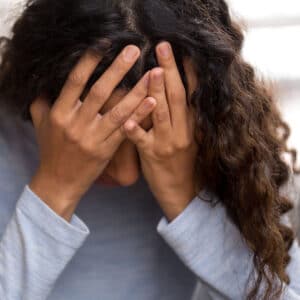
As my friends passed our journal around in math class and intentionally skipped over me again and again, my naive 14-year-old self felt such deep unbearable pain that I was lucky to have never experienced before. I felt utterly alone and believed there must be something deeply wrong with me that caused this to happen.
Looking back, I understand how the ringleader controlled her cronies, my former friends, by spreading lies and making implicit threats. They feared she would do the same to them if they dared challenge her or stay friends with me. Some of them were nice to me behind closed doors and away from her prying eyes, but in the light of day, all I saw were their traitorous backs turned by the force of cruelty.
I survived and made new friends, real friends who had grown comfortable enough in their skin that they would not join the ranks of the unkind. I assumed adulthood would be the same and that most adults would be secure and self-aware enough that bullying would no longer be an issue. I was wrong.
My children have now entered the phase of life governed by PTA boards, competitive sports, booster clubs, and over-the-top fundraisers. The grandiosity, favoritism, and intentional exclusion are almost more egregious than what I experienced as a young teen. If you question anything, you risk not only yourself being shut out and ostracized but the same thing happening to your child.
It is no wonder bullying has become so prevalent starting at younger and younger ages with adults modeling this kind of behavior. (Social media, of course, plays a major role as well but that is a crucial and important topic that is beyond the scope of this article).
So what is the best solution when there is systemic bullying actively occurring in our communities? Thankfully, we have the power to pull our children from some of these environments but that is not always possible. There has been a huge upsurge in homeschooling but not every family has the resources to make that happen.
Another issue is that many of the people in power, whether it’s a board member, a coach, a principal, or studio owner, have so many people in their pockets, that nearly nothing can stop them. People continue to gather around them because they want to be included or because they fear stepping out of line and being canceled. Oftentimes, they buddy up with and sing praises about the leaders in order to guarantee their children obtain special treatment.
When I first entered the world of elementary-age parenthood, I was admittedly sucked into one of these environments. I became so enmeshed with the culture that I did not realize the harm it was causing those who were not part of the it-crowd. There is an odd magnetic pull that keeps people in line, and you are often not able to see it until you’re on the other side.
My plea is this: keep your eyes open and don’t model this subtle cruelty for your children. Kids are aware of so much more than we give them credit for. Don’t be part of the mid-life bullying brigade by promoting control and silencing. You have the power to say something or to find healthy environments that teach kindness and inclusion. If your child is benefiting from toxic favoritism, it may help them out in the short term but it risks breeding entitlement.
If you make the choice to stand up, you may discover your kid was never actually appreciated for who they were but instead for their skill set or for their parents’ checks. I personally learned this the hard way, but it led our family to a much better place, and it will for yours too.
In middle school, I didn’t have a word for the way my supposed friends isolated me. I only knew crippling hurt, rejection, and confusion. When I finally understood it for what it was—bullying—I vowed I would never tolerate it. Unfortunately, I was drawn in by the enticing lure of being a cool mom, and I became part of the problem myself. Having been on that side, I now know better and will speak out even if it means more turned backs and icy stares. Will you?



 by Moriah Couch
 by Whitney Fleming