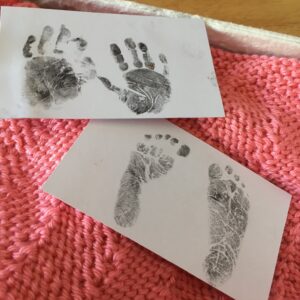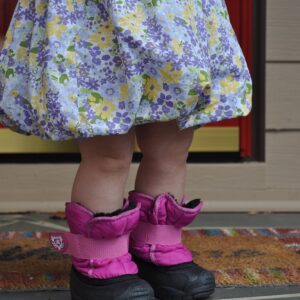



After my daughter passed, I had to make an impossible decision. While still bleeding and physically recovering, I was asked to choose how her tiny body would be preserved: cremation or burial. I could barely breathe, let alone process what was being asked of me. We chose cremation, but that moment? That weight? It still lives with me.
What no one tells you is that grief doesn’t wait until your body has healed. And neither does guilt. Especially when you were raised around faith, the kind of faith that sometimes sounds more like pressure than peace.
I remember being pregnant and going to church with my mom. An elder pulled me aside and told me I needed to come to church more often. She said it was to “make sure the baby came out with everything.” At the time, I smiled and brushed it off, but when I lost my baby, those words came back like a curse. Was it my fault? Did I not pray enough? Was God punishing me?
My mind replayed everything. Every Sunday I missed. Every moment I doubted. I found myself questioning not just my body, but my faith. The faith that was supposed to bring comfort became a source of blame.
People meant well. They told me, “God has a plan,” or “She’s in a better place.” But what place could be better than in my arms? I didn’t need a plan. I needed my baby.
And yet, even through all the pain, I found flickers of something deeper than guilt, something closer to grace. Not the kind of grace that fixes things or makes sense of loss, but the kind that simply sits with you. Quiet. Still. Present. The kind of faith that didn’t need answers or rules. Just room for me to be heartbroken and loved at the same time.
I don’t go to church every Sunday. I still question. But I also still believe, not in a perfect version of faith, but in one that allows room for grief, anger, doubt, and hope to coexist.
Faith after loss doesn’t look like it used to. It’s not neat or certain. It’s raw. But it’s real.


 by Jenny Albers
 by Wendy C