
 By Lisa Ingrassia
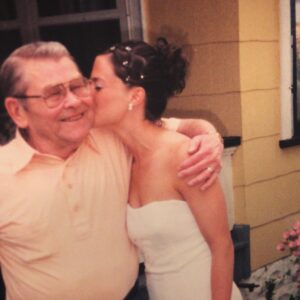
I survived losing my father after his long, grueling battle with cancer. It was one of the most difficult seasons of my life. I had a front row seat to watch cancer pick him apart piece by piece. When you lose a parent, you lose a part of yourself. They say time heals all wounds, but you never stop missing the good ones, and there are days when it feels like it just happened. By the grace of God, I survived, but I will always miss my father.
Then, almost a decade later, I lost the career that helped me survive losing him.
It was a glorious October morning; I remember sitting at my desk, watching the steam rise from my coffee as I worked on a project when the phone rang. Within 10 minutes, I was fired.
Twenty years of loyalty and dedication, all gone in 10 minutes.
Fired. Tossed aside like yesterday’s trash.
They say there are moments in life that define you, and this was one for me. It felt like an ambush. No warning. No boss on the phone. Just human resources, checking something off their list for the day. They couldn’t even get my name right.
Losing a job is a different kind of grief. There are no casseroles or condolences, but there is no shortage of emotions. You cry. You rage. You question your worth. And slowly, you begin to realize how tightly your identity was wrapped around a job and wonder who you are without it.
My job gave structure when my world felt unstable. It gave me somewhere to be on the days grief made it difficult to exist anywhere at all. It forced me to get out of bed on the days I wanted to pull the covers over my head. It gave me a version of myself who could still function, still contribute, still feel capable when so much of me felt hollow.
After my father died, I needed something solid to hold onto. A routine that mattered. Deadlines that mattered. A sense of purpose that mattered. When everyone else eventually went back to their lives, my job became the place where I could tuck my grief away just long enough to survive another day. I didn’t realize it at the time, but slowly I was building a life around it, a life that helped me breathe again.
When my career disappeared, it wasn’t just a professional loss. It was personal. It cracked open grief that I thought I had already learned to live with. And then my body started betraying me. My lupus reminded me who was really in charge, and it most certainly was not me. I wasn’t just mourning a job. I was mourning the version of myself that had learned how to stand again after losing my father, all while living in fear of what my body would do next.
People understand death. They bring food, send flowers. They whisper condolences. They give you permission to fall apart. But losing a career comes with no such grace. There is no roadmap for grieving something people expect you to simply “move on” from. You’re supposed to update your resume, stay positive, and be grateful for the next opportunity, without acknowledging the quiet devastation underneath it all.
This loss forced me to ask questions I wasn’t ready for. Who am I without the work that defined me? Who am I without the structure that once saved me? And what happens when the thing that helped you survive one of the worst seasons of your life is suddenly gone?
Grief has a way of stripping us down to the questions we’d rather avoid. Who am I now? Who am I becoming? Losing my father rearranged me. Losing my career forced me to confront it again.
I don’t have all the answers yet. I still have mornings I wake up crying and feeling completely lost, but I am learning loss does not erase our purpose, and grief does not disqualify us from what comes next.
After my father died, I found this verse highlighted in his Bible. I don’t remember when he marked it or why, but I choose to believe it was meant for me, waiting for the moment I would need it the most. Because even now, my father is still guiding me.
“For I know the plans I have for you,” declares the Lord, “plans to prosper and not to harm you, plans to give you hope and a future.” – Jeremiah 29:11



 by Josi Seibert
 by Brandon Janous
 by Laura Bagnarol