
 By Stephanie Lee
I was a teenager when my mom disappeared.
One day she was there—and then she wasn’t. No warning. No goodbye. Just a growing silence that swallowed everything. There was no funeral, no body, no confirmed ending. Just a missing person’s report and a hole in my life I’ve never been able to fill.
People think the worst part is the moment you find out. But it’s not. It’s the not knowing that haunts you. It’s the sleepless nights imagining a hundred different endings. It’s the way your brain tries to prepare you for the worst while still clinging to some tiny thread of hope. That emotional limbo? It messes with you in ways you don’t even understand until much later.
The Trauma That Doesn’t Get Talked About
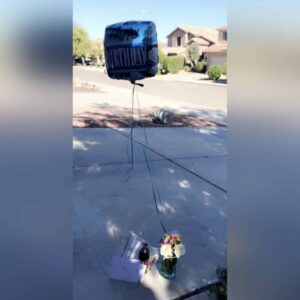
There’s no roadmap for how to cope when your mom vanishes. No one tells you what to do with the birthdays that come and go. No one prepares you for the guilt of living your life when someone you love might still be suffering—or gone. Especially as a teenager, when you’re already balancing so much.
I didn’t get therapy. I struggled with even talking about it. Adults didn’t know what to say. Friends didn’t know how to relate. The world just sort of… kept moving. I didn’t.
PTSD Doesn’t Need a “Proof of Death”
It took me years to understand that what I was going through had a name: PTSD. Because no one talks about how traumatic it is to live in uncertainty—how it rewires your brain.
Even now, my body stays on high alert. I jump at noises. I panic when someone’s late to meet me. I have dreams where I find her—and worse, ones where I lose her all over again. That’s the part people don’t see: how trauma doesn’t end when the event ends. When there’s no ending, it just stretches out, looping through your nervous system over and over again.
Some days, I’d convince myself she might walk through the door. Other days, I’d stare at the ceiling and try to make peace with the idea she was never coming back. Neither brought comfort.
Growing Up Without Answers
When you’re a teen, you’re supposed to be figuring out who you are. But how do you do that when the person who knew you best disappears without a trace? I didn’t just lose my mom—I lost my anchor. My sense of safety. My ability to believe the world made any kind of sense.
There were so many moments she should have been there for. Graduation. College. Marriage. Every time I hit a milestone, there’s this ache—like a ghost at the edge of every photo.
And because there was no closure, grief became something I had to carry alone. Quietly. I learned not to talk about it, because the conversation would get too heavy, too awkward. People want clean endings, and I didn’t have one to give.
How I Survived
I survived by going numb. By building walls. By holding it together even when everything inside me was falling apart.
Eventually, I learned the love of dogs. They sat with me through it all. They started healing me in ways I didn’t know I needed. They kept me here. When I couldn’t find a reason to get out of bed, they became the reason. They reminded me love didn’t have to come with conditions or explanations. Sometimes, just breathing beside someone is enough.
To Anyone Living With Unanswered Loss
If you’ve lost someone to disappearance, you know how brutal it is. How the world treats it like a story, while you’re still living inside it. There’s no resolution. No final page. Just the exhausting act of surviving every single day without answers.
This kind of trauma doesn’t go away. But you learn to carry it. You find small ways to feel safe again—a pet, a song, a routine. You stop chasing closure and start chasing moments of peace.
To anyone walking through this kind of quiet hell: You’re not alone. Your pain is real, even if your story doesn’t have a neat ending. And you’re allowed to grieve, even if the world doesn’t understand what that looks like.
Some days, just surviving is enough. Some days, that’s the bravest thing you can do.


 by Tori Wells

 by Emily Conley Baker