

 By Megan Rogers
Tears streamed down my face as I pressed my hand into my best friend’s chest. The sheer terror and adrenaline alone should have done the trick. “MAKE HER BREATHE,” I shouted to my husband. His eyes held no answer. I watched him attempt mouth-to-mouth.
I knew CPR too, I could have done it. I could have dialed 911, I knew the digits to press. But there I was, frozen. Strangely, I was in a state of frozen movement where your body is violently shaking and your lungs are fighting to do their job, but you aren’t moving in real-time. I knew her address, but I couldn’t make my brain connect to my mouth. Luke handled everything—the CPR, the dialing, the directions.
How could this be happening? We had been attending regular church services and additional healing classes, and I had been sure to share a “Jesus mindset” through her blog posts. I did all the things I was supposed to do. God and I had come to a place of understanding that Marissa was going to escape the grim prognosis of the glioblastoma she’d been diagnosed with 18 months prior.
Sure, her mobility was in decline. She hadn’t been able to speak or feed herself for weeks. She had lived through a handful of brain surgeries. All those things looked terrible on paper, but I knew God was waiting until the final hour to heal her in some grandiose finale.
You’re probably reading this and questioning the level of faith I had. With things so obviously trending downhill, I knew, to some extent, we were reaching the earthly end, right? Wrong. I laid my right hand on Marissa’s chest and loosed the most forced fire line of tongues this side of biblical times anyone has ever seen. “LIVE!” I yelled out. “BREATHE. BE HEALED. LIVE.”
We will face trials in this life, some reminiscent of the ones Job once faced. I’m thankful to say that even though this trial rocked me, cost me five years of running from God’s will, dictated multiple relational decisions, and tested boundaries in my health and marriage, God still held me in his hand.
Did you know that we can grieve, complain, express confusion, walk away from God, and still be within the gutter guards of his love? There are so many testimonies and sermons about it, but we still struggle to navigate it as Christians for some reason.
Honestly, at age 24 and even having grown up in church, I did not realize I was “in bounds” of God’s love even while I was angry with Him. I performed an about-face on God the second he disappointed me on such a grand scale. This is the gut instinct of the flesh. Eventually, I let anger and shame become my road map for navigating life. I remember people giving me a lot of space, but never calling me back with the Truth.
We know Jesus wept over Lazarus, begged God to let this cup pass from him, and even questioned God for forsaking him upon the cross. If the Son of the God of the universe can feel like God had turned his back on Him, it’s a guarantee we will feel that way sometimes too.
God upheld Job as the one who lost everything while never turning on him, but we can also identify with Job for questioning God’s character and motives.
If I could go back in time, I would tell the younger me that grief and lament are perfectly normal. There’s scripture to support my anger, my hurt, and what I viewed as God’s lack of power in the circumstance. There’s scripture to support my period of grief and sorrow, and there’s scripture to support my return to the Father.
When we face trials, we tend to default to the adage, “There are no words.” But let’s raise the stakes and challenge this saying. The Bible tells us about Jesus feeling forsaken, Job feeling hated by God, and David losing his child despite fasting and prayer, so we know God prepares us for similar encounters in life. We live in a broken world. As Christians, we can leave space for grief, but sometimes, we must lean into those who grieve and offer up the right words amid mourning. When there are no words, give people the Word.


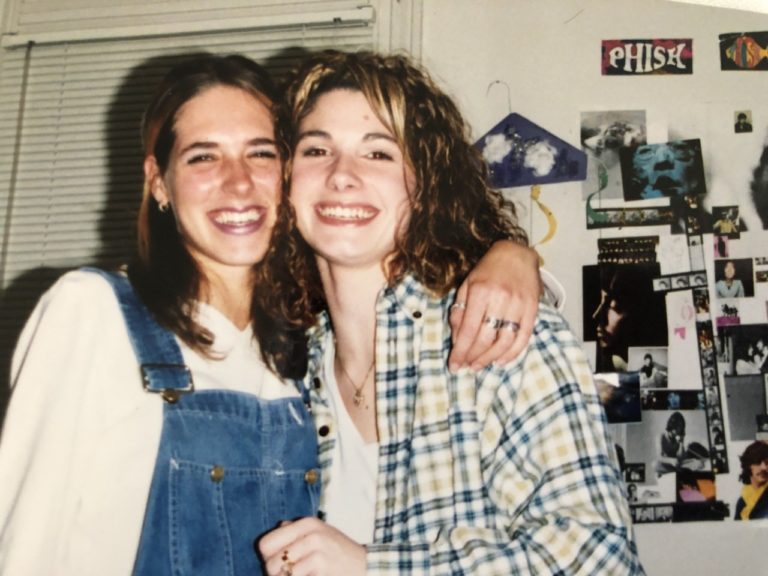
 by Jennifer Thompson
 by Nancy Brier