
 By Jessica Moore Wilson
Just a few short months ago, my mother-in-law passed away after a long illness. During that time, many worries clouded my days, but my biggest concern was how my 7-year-old daughter would handle it. What form would her grief take? What would she need from me? Would I be able to provide it?
We first learned of Grandma’s chronic illness when my daughter was five. At six, she began to ask questions about why Grandma couldn’t visit us anymore, or why she had to take a nap when we visited her. As she turned seven, she complained that visits to Grandma were boring, and why did she have to go anyway?
As Grandma’s health declined further, I decided to pick my daughter up from the bus one afternoon and drive across the state through rush-hour traffic for what would likely be their final evening together. Grandma’s condition was the most fragile our daughter had ever witnessed. She was medicated, with a 24-hour hospice team to care for her and alleviate her pain. She spoke in a whisper and couldn’t lift a water glass to her mouth.
At 72, Grandma could barely speak, but she looked at my daughter with so much love. At seven, my daughter bent over her Grandma, holding her hand, helping her drink. There were few words, but the love and care between them was immense.
When we drove home that night my daughter asked, very honestly, “How long will grandma be alive?”
I didn’t know what to say, but I knew I could not reprimand her honest curiosity, so I tried my best to answer. “Only God knows for sure. The people caring for her think it might be a week, but that’s only a guess.”
The moment we had been dreading soon arrived. We received the news late one night, and the next morning, broke the news to my daughter that Grandma was gone. At first, she did not react, and I was worried she didn’t understand. But I gave her space to ask questions.
My husband and I went to help manage all of the logistics and planning that come after someone passes away, and my daughter spent the weekend with other relatives, surrounded by love.
When the busy weekend was over, and all three of us were back together again, we were driving home, each silent and exhausted. In the quiet, I heard sniffles. Then came slow, deep crying from the backseat. My daughter was wrestling with so many emotions but had held them all weekend while she was around her relatives. When she was with us, and finally felt safe again, she let them all out.
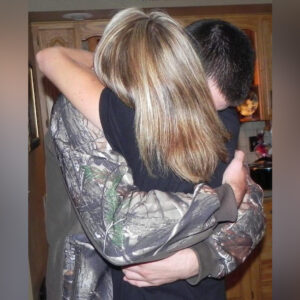
My husband reached back and held her little hand while I drove, whispering to her how much he loved her. When we arrived home, we all had a group hug, and talked about Grandma.
In the following days, when my daughter returned to Grandma’s house, looked at pictures of her, and held some of the items that became her inheritance, she moved between awe, thoughtfulness, and sadness. She tried on a beautiful silk jacket that had been one of the special fashions Grandma loved. She hugged it to her chest.
“It smells like Grandma,” she said with a sigh. I hugged her and held her hand.
“I miss her,” my daughter said softly.
“I do too,” I said with tears in my eyes.
The thing I learned through this period is that my daughter needed to grieve on her own timeline, especially because she was learning what grief was for the first time. What she needed more than anything was love and a safe space to process and experience her own emotions. Children, like adults, can be both strong and vulnerable. I am grateful that my husband, my daughter, and I could lean on each other as we grieved. And what makes the hardest days a bit easier is knowing that we will be here for each other as we learn to live without someone we loved deeply.



 by Marjorie Brimley
 by Her View From Home