


During the weeks we cared for my grandmother in hospice, survival mode felt necessary. There were medications to track. Visitors to update. Logistics to manage.
I remember sitting on the couch that served as my makeshift bed and listening to the rhythmic hissing and puffing of the oxygen machine one night. While my mom showered off the day, I texted my sister updates and sent my husband a quick message of love. I could still smell the lavender candle we had lit earlier in the day to mask medical scents. The house was quiet, but my mind wasn’t. I was replaying conversations, planning tomorrow, bracing for what might go wrong. My body was exhausted. My jaw was tight. And I realized I hadn’t actually felt anything all day; I had just managed it.
Survival mode can look like strength. We celebrate the women who keep everything moving, who muscle through and cross things off the list. It feels admirable to show up like a badass. But slowly, you grow numb in your performance of tasks. You stop resting. You stop feeling deeply. In overwhelming seasons, when everyone depends on you, it’s easy to become the strong one. And at the end of the day, you fall into bed exhausted, your mind still circling tomorrow, realizing you’ve been functioning at all costs.
Survival mode keeps your body on alert long after the danger has passed. Your chest tightens, and you forget how to fully exhale. Your ears stay tuned for the next sound from down the hall. Your jaw aches from clenching. Your mind spirals, the kids’ fundraiser, the expiration date on the milk, the lunches that need to be packed, anything but the grief sitting right in front of you. You care for everyone else and quietly neglect yourself.
You’re exhausted but can’t sleep.
You’re productive but disconnected.
You’re irritable but can’t explain why.
You feel pressure to be the strong one.
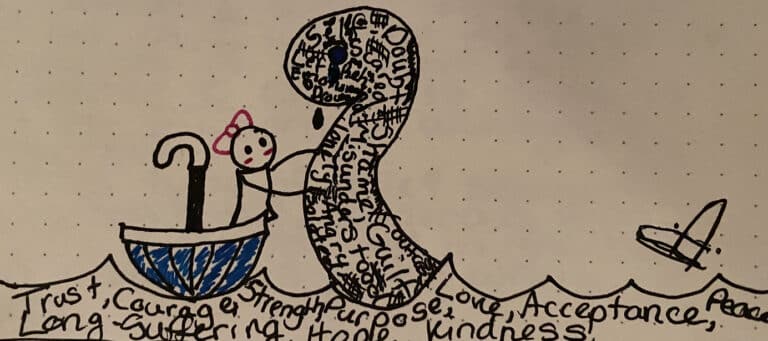
At first, survival mode feels effective. You function. You perform. You show up. But slowly, something in you slips underwater. From the outside, you look capable. Inside, you’re barely treading water. And because nothing has fallen apart, no one knows how close you are to it. Somewhere along the way, we learned that strength meant turning solid.
On a weekend when my sister stayed with my mom and helped my grandmother, I offered to bring her girls home to have a sleepover with my girls. I didn’t want them to only experience grief during this season; I wanted them to draw closer through love and fond memories. While driving all four of them home, I snapped at them. I fussed that they were being too loud and needed to be quiet so I could drive safely in the dark. They were just being kids, giggling with each other about something and nothing all at once. Living the closeness I wanted for them during this season. Their noise level was reasonable. The feeling of needing to crawl out of my skin was not.
In survival mode, we don’t process. We postpone.
Being strong isn’t serving us. It isolates us when we need connection and softness.
What Staying Soft Looks Like
It means going to dinner with friends and telling the truth about your heartache instead of sobbing alone at home.
It means letting someone you trust know you’re struggling when your body wants to shut everyone out.
It means crying in front of your kids and showing them what grief actually looks like.
I used to cry behind closed doors. Now I let them see my tears. I want them to know that strong women cry. I don’t want them growing up believing love means carrying everything alone. In the vulnerability of my tears, their hearts opened. Together we shared our heartache.
After one long stretch of helping, I came home and sat numbly on the couch. When my husband wrapped his arms around me, something in me finally gave way. I cried into his chest; the kind of cry that feels like it’s been waiting all week. He asked what hurt the most.
“It’s just so hard,” was the only thing I could say.
As he held me, he listened. He reminded me I could be at peace with her readiness for heaven and still grieve the road getting there.
Saying it out loud loosened something in me. The hardness of the day softened. I felt lighter. Stronger, even.
I had to give myself permission to be soft. The tenderness I allowed myself created space to name the swirling in my head and to be taken care of. Soft, but still strong.
Soft doesn’t mean breakable.
Soft can hold power.
I’m protecting my softness in this season, especially when it feels like life keeps asking for more. Softness is what carries us through with grace and not just survival. I chose gentleness over obligation. I took days off work. Some days, I helped my family through the heavy season. Some days, I just sat and felt my feelings without forcing productivity.
We don’t heal alone.
We heal together.
Feeling it will not make you weak.
I will not mistake becoming stone for becoming strong.


 by Deborah Ackerman
 by Lisa Appelo