
 By Latoya Samantha Smith
Not even a week ago, I gave birth to my second baby. That feels strange to type, but here I am, growing through it.
Labor began on a Friday. I told my husband—well, not-husband (more on that later)—that I had a pain in my side that refused to go away. I was nearly 29 weeks pregnant, the most pregnant I had ever been. At first, I convinced myself it was gas. But when I went to the bathroom and saw the bright red blood in my panties, I let out a small moan.
From outside the door, over the roar of the too-loud bathroom fan, Stori’s dad called, “What is it, baby?”
“I’m bleeding.”
“What does that mean?”
“Nothing good.”
He immediately started packing my things: clothes, toiletries, and my books. I stared blankly at him, watching him care for me in a way that felt almost magical. I was scared, or something like it. More than anything, I wanted this baby to stay inside me.
At the hospital, I could still talk through the pain. Sometimes that means people don’t take you seriously—especially if you are a Black woman. Do the research.
Even so, I was quickly admitted, writhing on the bed as nurses asked their endless questions. I focused on my breath while Stori’s dad answered for me. I worried about my baby. An emergency C-section was mentioned more than once, though no one seemed clear on exactly what was happening. The monitor’s reassuring swooshes told me my daughter was still okay. I clung to that.
An ultrasound was ordered. My stomach tightened with fear. I didn’t want to be pressed on or poked into. This pregnancy had been smooth. My cervix was long. No pain. No cerclage needed. I’d been working, sleeping well, picking up my son Levi from school, still dressing up, still having energy. I had been hopeful.
I thought surely this was a fluke. That I’d be sent home. And after three days of magnesium, pitocin, fentanyl, and more, I was. I went home, hugged my kids, opened Amazon packages, and rested.
But the next day, I was back.
This time, active labor. At the ER registration desk, I clung to Stori’s dad through contractions, standing because that felt best. By the time I reached labor and delivery, I was covered in my own blood, trembling, exhausted, and terrified.
A nurse helped me change into a gown. “We have to get this baby out,” I overheard. And so it began: a room full of Black women—doctors, nurses, aunties in spirit—preparing to usher another Black girl into the world.
The pain was consuming. My body felt like it was collapsing from the inside out. Hands, voices, orders, encouragement, apologies. My man’s nervous sweat dripping as he held my hand. My knees wanting to close, instinctively protecting myself, until a stern voice cut through: “If you want this baby to be okay, you can’t do that.”
My King bent close to my ear: “Baby, come on, please.” His tears fell with mine.
I reached for the strength of my ancestors, saw my grandmother’s face, and pushed. My daughter slipped into the world screaming—a robust, beautiful sound. Tears streamed down my face as Stori’s dad told me I had done well.
After the placenta came, I asked for pain meds. Nurse Elizabeth, her accent as warm as cornmeal porridge, gently denied me until I ate. She cleaned me, comforted me, and reminded me of the love Black women carry inside even when they seem granite-hard. When she apologized for yelling earlier, it mattered more than she could know. Our softness, hidden and revealed, is its own kind of sacred.
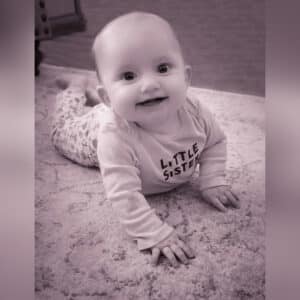
I didn’t see my daughter until the next morning. She was resplendent. God is so good. He gave me Levi, and now He had given me Stori.
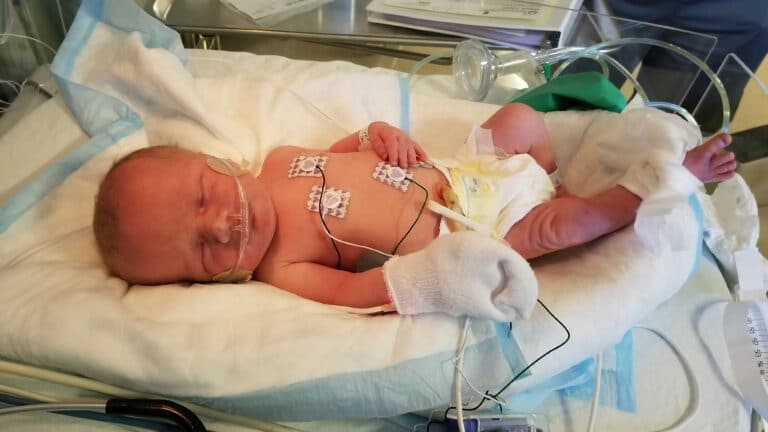
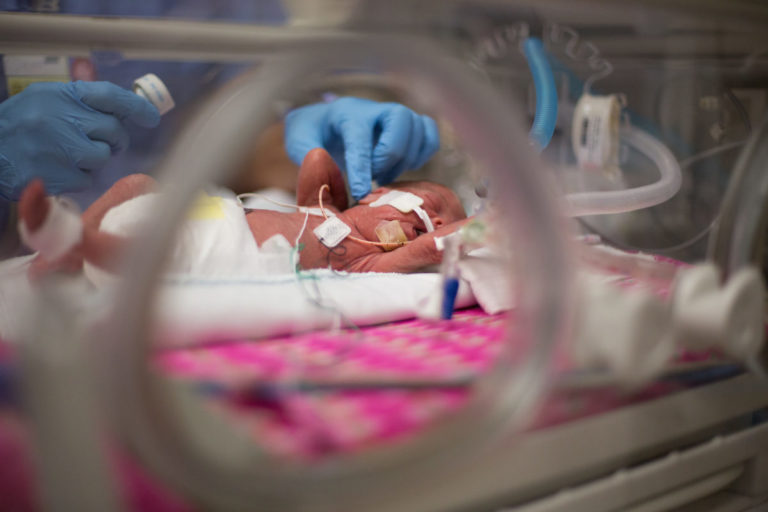
I was discharged on the 28th. At home, surrounded by love, I still felt the ache of leaving my newborn in a plastic box at the hospital. The next morning, I took Levi to school. His aide greeted me: “Congratulations, I heard you had the baby—and now you’re here. Wow, you are so strong.”
I smiled, but inside, I flinched.
I don’t want to be called strong.
Because I don’t get to choose. I’m Levi’s mother too. Unless I am physically unable, I will show up for him. That’s not strength—it’s motherhood. Do I carry a touch of Black Superwoman Syndrome? Of course. My ancestors birthed babies on dirt floors, huffing and sweating, then returned to work. Their grit is in me. But some days, I am not strong.
When I leave Stori in the NICU, her eyes—my mother’s eyes—pierce me. I berate myself all the way home, then count the hours until I can go back. I try to stay warm for my big babies and my King, but a piece of me is missing.
Thankfully, I have a partner who lets me break down when I need to. I have a tribe that holds space for me. And I am learning that sometimes being strong is allowing yourself to be soft.
Signed,
A Sometimes Strong Black Woman
Originally published in Spoken Black Girl


 by Stacey Skrysak