

 By Tara Hanratty
I’ve given birth to four beautiful boys and lived through four postpartum experiences. Each one has been different, yet there are familiar threads that run through them all.
In the first couple of weeks after my first baby was born, I felt carefree…until that bubble was popped. My newborn got sick and was admitted to the PICU at a children’s hospital 30 minutes from our home. At one point, doctors mentioned the possibility of meningitis, but after many tests and a several-day admission, we were sent home. When we were discharged, a doctor left me with these words, “It’s your job as a mom to protect your baby. We’re heading into flu season; be careful who you let around.”
Those words stuck with me. They changed how I saw the world and planted a seed of fear that grew in the days and months after. My postpartum anxiety became all-consuming. I made excuses for why I didn’t want to bring the baby places, and I felt embarrassed and ashamed for how fearful I had become.
When I got pregnant with my second, I made therapy a priority. I was ready this time. And for a while, I was doing well. Then, the pandemic hit. The entire world was suddenly told not to see people, not to go outside, and to clean everything we touched. My nightmare became reality. That fear came roaring back, stronger than ever.
I went on to have two more babies, and like so many others, I struggled in silence, trying to hold it together while working through therapy and coping strategies. I grew tremendously and made leaps I never imagined possible.
I’ve learned a lot about my anxiety and how to live with it, but here’s the brutal truth: mental health never fully disappears. You just learn how to navigate it, one day at a time.
One of the hardest battles we face as mothers is learning to love ourselves just as we are. It’s not the world we imagine raising a baby in. Half of your soul is rooted in happiness, while the other half is stuck in fear and grief.
People often say they support mental health until it becomes inconvenient. Until they can’t wrap their head around why someone is “so sensitive” or “irrational.” But mental health will never be convenient. It is unrelenting, persistent, illogical, and sometimes unbearable. And if you ask me, I’d say the most insufferable part isn’t the struggle itself but the judgment and criticism from others. It’s going into motherhood believing you will soar, when in reality, you are left to drown. It’s reaching for support in the places you believed would carry you, but instead, you have to learn to carry yourself.
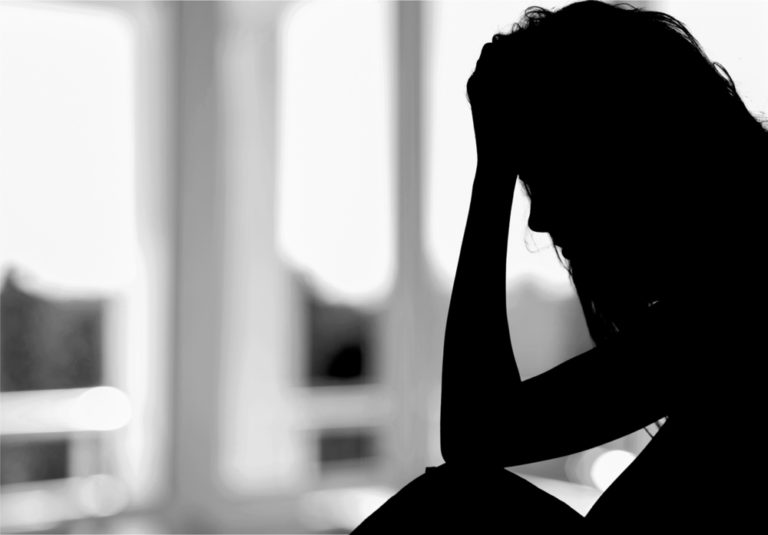
The shame. The subtle looks. The dismissive responses. The people who make you feel like you’re failing for something you can’t control. There is a stigma that is still deeply embedded in mental health, regardless of the awareness raised.
One in five mothers experiences a maternal mental health disorder, yet so many suffer in silence. Whether it be postpartum anxiety, depression, OCD, rage, psychosis, or intrusive thoughts, there is an epidemic of mothers falling through the cracks in a world not built to recognize or understand the needs of mothers. We’ve built a culture that praises strength but punishes vulnerability. That speaks of “awareness” but offers little support when awareness turns into action.
As for me, my youngest will be two in July. As I begin to resurface out of the fogginess of the postpartum trenches, I can’t help but look back on so much of it with grief, guilt, and regret. Some days I’m proud of the mom I’ve become; other days I’m just trying to breathe through the weight on my chest. We can only hope to one day forgive ourselves for surviving the only way we knew how. For being the best mothers we could be while we were quietly drowning.
To myself, and to every mother who has stayed silent out of fear or shame. Who asked for help and understanding but was met with shame. Who has carried their pain in the shadows while the world expected perfection, I see you. I send you love. You are not too much. You are not broken. You are surviving something people may never fully understand.
May this month be a reminder that awareness isn’t enough. Support mothers. Believe them. Stand beside them with empathy, not judgment. We can’t end the stigma overnight, but we can replace shame with understanding.




 by Tiffany Wicks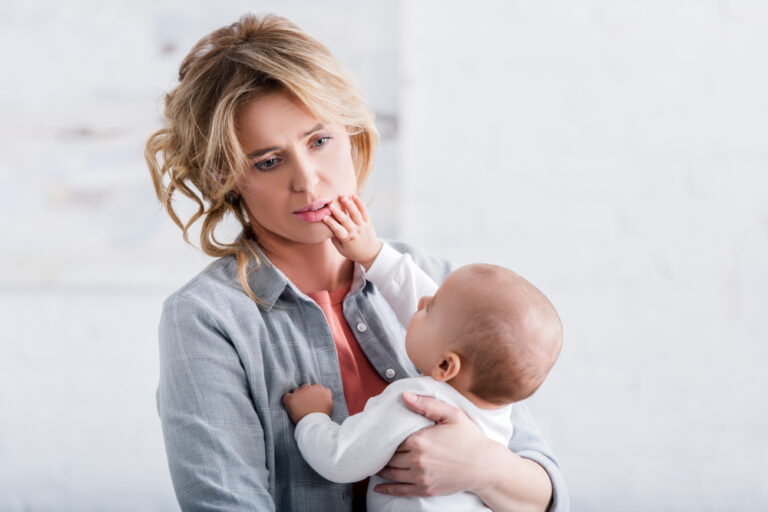
 by Kate Swenson