
 By Heather Goodwin
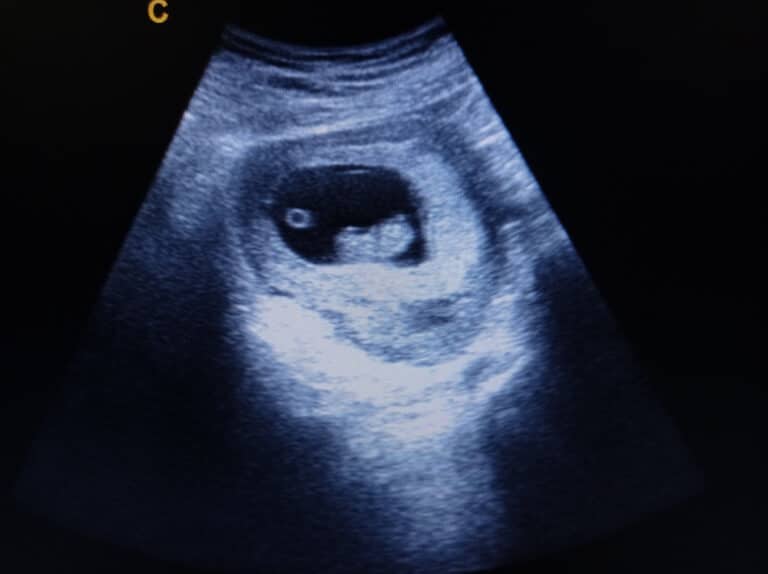
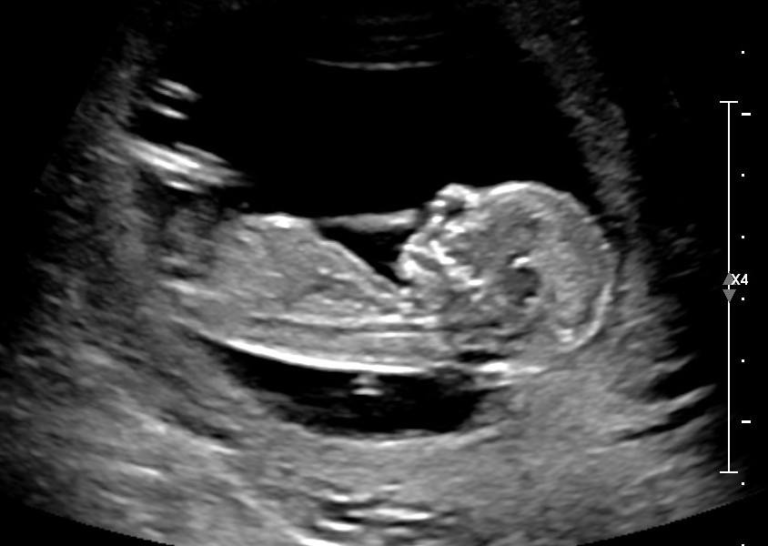
Grief is supposed to follow rules. A beginning, a middle, an end. A reason. A name. But what happens when the grief arrives before a heartbeat is strong enough to echo? When the world doesn’t see the loss because it was too early, too quiet, too… invisible?
I lost a child I never got to meet. And the world didn’t pause. My inbox still filled with unread emails. The neighbor still waved. The barista asked if I wanted oat milk again. Life moved forward as if nothing had shifted. But inside me, everything had.
It wasn’t just the pain of the miscarriage—it was the disappearance of a future. A nursery never painted. A name whispered only once. The laugh I’d never hear, the first steps I’d never record. I mourned a thousand moments that never happened.
And the silence? It was deafening.
People don’t know what to say when you lose a pregnancy. They offer statistics. They tell you how common it is. They say, “At least it happened early,” as if early grief hurts less. But it doesn’t. It just doesn’t get a funeral or a framed photo. It gets tucked away in doctors’ notes and half-finished baby registries.
But I remember.
I remember how I touched my belly before I even knew for sure. How I imagined their smile. How I sat in the parking lot after the appointment where hope became heartbreak, staring at the dashboard as if it would explain the why.
There is no why.
There is only the ache.
Grief after miscarriage is peculiar—it’s the grief of a parent without proof. You feel like you must justify your sorrow. “It was real to me” becomes your mantra. You wonder if it’s okay to cry when there are no toys to box away, no tiny shoes left behind.
But the love was real.
So the grief is real.
And slowly, painfully, you begin to stitch yourself back together. Not because time heals—time doesn’t erase what never got to live. But because you learn to carry it differently. You learn to honor the love in quiet ways: a pendant with a birthstone, a journal entry, a whispered name when no one else is listening.
You begin to trust joy again. Tentatively. You start noticing color in the world after months of gray. A laugh slips out unexpectedly, and you don’t feel guilty for it. You find strength in your body, even if you also feel betrayed by it. You find meaning not in “moving on,” but in moving forward.
Healing isn’t linear. Some days, you feel stronger. Other days, you feel the absence like a bruise under the skin. You see a child giggle and imagine yours might have had the same dimple. You smell baby powder and ache. You take a deep breath and keep going.
And if you’re lucky, you meet someone who says, “I see your loss, even if the world doesn’t.” And something inside you unfurls. Because being seen – truly seen – is a kind of healing too.
To anyone carrying grief like this: you are allowed to mourn. You are allowed to scream in the shower, to smile while crying, to hold space for a life that mattered, even if it was brief. You don’t need permission to feel.
Grief doesn’t need proof to be valid. Love is enough.
And in that love, your story continues—not erased, just transformed. It becomes part of the quiet tapestry of your resilience—the whispered strength behind your kindness, the reason you hold space for others, the echo that shaped you.
You are not broken. You are evolving. And most importantly, you’ve got this.


 by Jenny Albers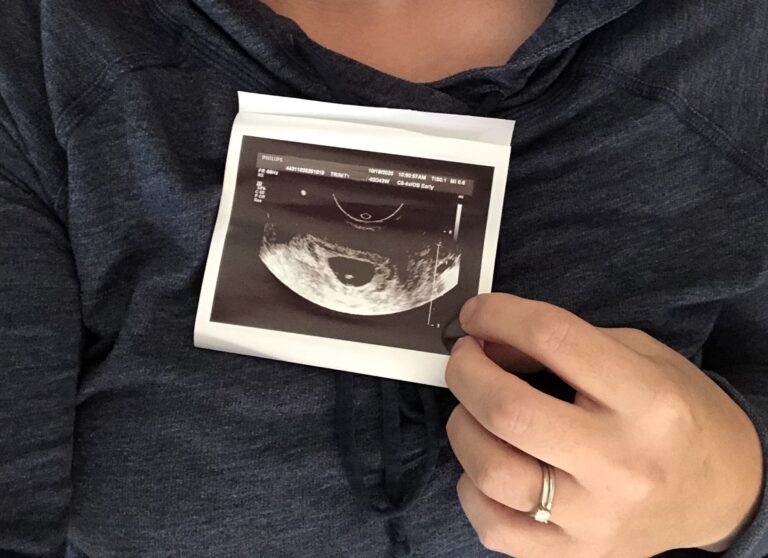
 by Carolyn Moore