

 By Dr. Emily Guarnotta
“It’s brain cancer.” The words reverberated through the phone. I couldn’t believe what I was hearing. I was three months pregnant with our second baby, and we were in the height of a global pandemic. I had found out I was expecting only a few days before our governor announced that all non-essential workplaces would shut down. I thought that was going to be the most difficult challenge I faced during my pregnancy. But I was wrong.
Learning my beloved father-in-law was diagnosed with a very aggressive and terminal form of brain cancer was devastating. My heart broke for my husband (how was he going to navigate becoming a father for the second time without his own dad around?) and my children (why were they getting gypped out of having a grandfather?).
The next six months felt surreal. It was a big blur of chemo treatments, radiation, and prenatal appointments. It felt like I blinked, and my baby was born. We were all so grateful that he could meet her, his second granddaughter. Because of his condition at the time, he could only hold her with assistance. But I made sure to take lots of pictures whenever I could sneak them in. We all knew we were on borrowed time.
Navigating postpartum with my second child was so different than with my first. Before my oldest daughter arrived, I was confident that I would never be the 1 in 5 women who experience a perinatal mood and anxiety disorder (PMAD) after giving birth. As a psychologist, I was aware of postpartum depression and anxiety, but I never thought I would get it. I was convinced my training and education would protect me, but I was wrong.
I struggled a lot with the transition to motherhood. Though I wasn’t diagnosed at the time, looking back, I know I suffered from a combination of postpartum depression and anxiety. I felt trapped in my new role as mother, convinced my life was over. It took months and finally seeking help for me to recover and ease into motherhood.
I was very nervous about getting postpartum depression again as I approached the end of my second pregnancy. But I didn’t. Instead, I pushed through without taking a minute to feel my feelings. At the time, I felt like I needed to be strong for everybody. How could I admit I was struggling when someone I loved was dying?
Just a few days after my youngest daughter turned five months old, her beloved grandfather died. We were heartbroken. My older daughter, three years old at the time, was somewhat aware of what had happened. We did our best to explain it in a way she would understand. She asked lots of questions as she tried to wrap her little brain around how one of her favorite people was there one day and then gone the next.
It’s been a few years since we went through that, and I’ve done a lot of reflecting. As a psychologist who now specializes in maternal mental health, I’ve even worked with clients who have had similar experiences of losing a loved one while navigating pregnancy and postpartum. Grief during any period of your life is incredibly difficult. Families navigating grief while also finding themselves as parents face unique challenges. Every situation is different and while there are experts on grief, there are no outside experts on your grief.
Your experience is your own and my experience was my own, but if I were asked to share any wisdom, it would be:
You may experience delayed grief. If you feel like you need to put on a brave face for everyone else at a time when you’re physically and emotionally healing, there’s a good chance that the pain will hit you once the storm has passed.
Make sure you have someone to talk to, whether a therapist, friend, or family member. If the person or people you would normally lean on can’t be a rock for you right now, try to find another person who can support you.
Extend your postpartum . . . don’t skip over it. When you’re going through a crisis you may feel like you don’t have time to slow down. You may push yourself to just get through the postpartum phase. But the truth is that every birthing woman needs a period of time to get to know her baby and herself as a new mother. She needs time to figure out feeding, sleep, and bonding, and if an event interferes, then she needs more time, not less.
I miss my father-in-law dearly, and I wish each day that he had an opportunity to get to really know his grandchildren. I’ve met so many families that have also lost parents either before they had children or as they were navigating the early years of parenthood. It’s so hard to lose a piece of your family while at the same time adding to it.
At my practice Phoenix Health we work with families navigating the transition to parenthood. Our clients come to us with infertility, perinatal depression and anxiety, or following a pregnancy loss. Many families, like I did, are also facing other stressors that make life during this stage more complicated.
If you’re going through a tragic life event as you’re becoming a parent, it’s important to know you’re not alone and help is available. Processing your experiences in a safe space, whether with a trusted family member or friend, mentor, or mental health professional is invaluable.
It’s also important to understand that you need to go through the pain. There’s no avoiding it. If you try to escape it, it will catch back up to you, often in unhealthy ways. Grief will forever change you, and healing happens when you accept this change, rather than resist it.
I think this quote by Dr. Elisabeth Kubler-Ross sums it up perfectly, “The reality is that you will grieve forever. You will not “get over” the loss of a loved one; you will learn to live with it. You will heal and you will rebuild yourself around the loss you have suffered. You will be whole again but you will never be the same. Nor should you be the same nor would you want to.”


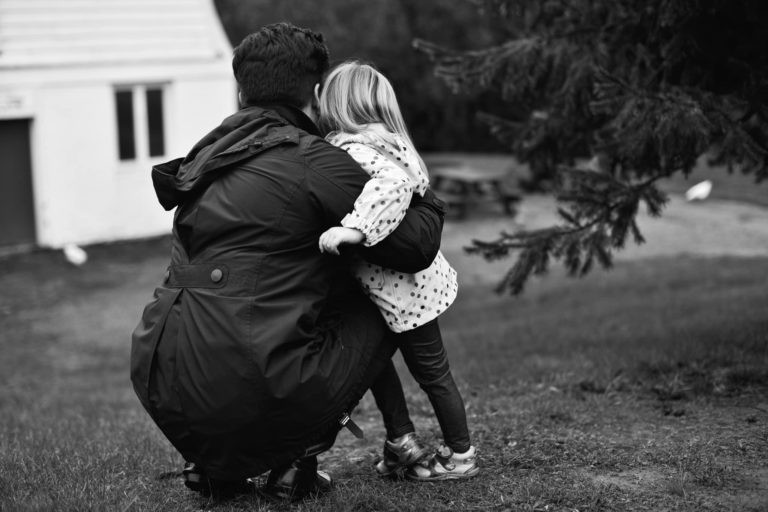
 by Joy Holte
 by Tanya Teichroeb
 by Brea Schmidt