
 By Sarah McPherson
There are moments in life when you feel like you’re shattering from the inside out, when your heart aches so deeply that even breathing feels heavy.
When it’s your child who’s suffering, and there’s nothing you can do to stop it, that pain becomes something indescribable.
You realise you are powerless.
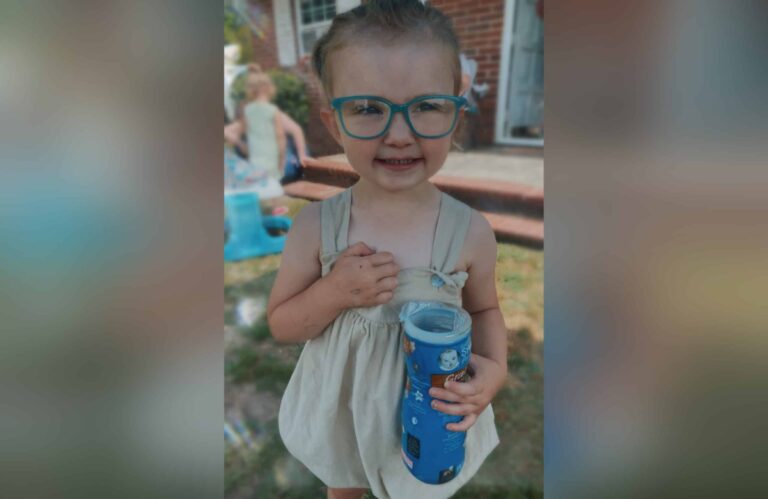
When my daughter was diagnosed with epilepsy, the world shifted. In an instant, I was powerless.
I learned how quickly fear can take hold, the kind that keeps you awake long after everyone else is asleep, listening for sounds you hope you’ll never hear. You hold your breath when the seizures come; time slows to a painful crawl, and all you can do is wait, pray, and whisper words of comfort that feel too small for the moment.
I am breaking, but I am not broken.
No one truly understands what you’re going through unless they’ve lived it. They try—they imagine what it would be like if it was their child, their daughter, their son. But do they really imagine the hospital visits, the trial and error of medications, the hope that rises and falls daily?
People mean well when they say, “You’re so strong,” but they don’t see the moments you crumble behind closed doors, when you question everything, when you feel totally and utterly powerless.
And yet, I’ve come to realize something: Strength doesn’t come from control—it comes from love. It’s found in showing up, time and again, even when your heart feels too heavy to carry on. It shows up when you push through again.
You see, epilepsy doesn’t just affect one person. It ripples through a family. It changes routines, plans, even how you see the world. You learn to celebrate the small things—a day filled with laughter, a night of peaceful sleep. You stop taking normal for granted.
I have not had a week where I got a full night sleep every night in three years, but the nights I do, I celebrate. But it’s in those quiet moments I find peace. I also realize that while no one may truly understand what we’re going through, I don’t always understand what others face either.
We all carry invisible battles. Some are fought in hospitals, some are fought in hearts. Pain always isolates, but empathy connects.
When I stopped comparing pain, I started finding compassion—for myself and for others.
There’s a kind of courage that grows in powerlessness. You find it in the waiting, in the fear, in the holding on. It’s not the kind of strength that shouts; it’s the quiet kind that whispers, “We’ll get through this, because we have to.”
My daughter is teaching me more about resilience than I could ever teach her. She faces challenges most adults would crumble under, yet she smiles, she laughs, she shines.
She is my daily reminder that even in the hardest seasons, there is light. She gets up time and time again. She plans for the future. Epilepsy changed us. It softened us, stretched us, and opened our hearts to a depth of love we didn’t know possible.
We are breaking, yes, but we are not broken, even though at times we feel so close.
We bend, we ache, we cry, and still, somehow, we get up to face another day.
Every scar tells a story of survival, and ours story is still being written.


 by Bailey Koch
 by Sarah Lango